The “Starting to Write” Guide
I used to find the beginning of my writing sessions deeply painful. I would tap out a sentence or two, then delete most of what I’d written.
I’d think about other writers, and how their sentences probably flowed effortlessly and beautifully onto the page, in exactly the way mine didn’t. Then, I’d stare out the window and feel a familiar creeping anxiety. Why had I even started writing a novel, when in fact I had no idea how to write a novel?
After 10–15 minutes of this mental spiraling, I’d flee from my writing session and go do some mundane activity, like unloading the dishwasher, that didn’t fill me with existential dread.
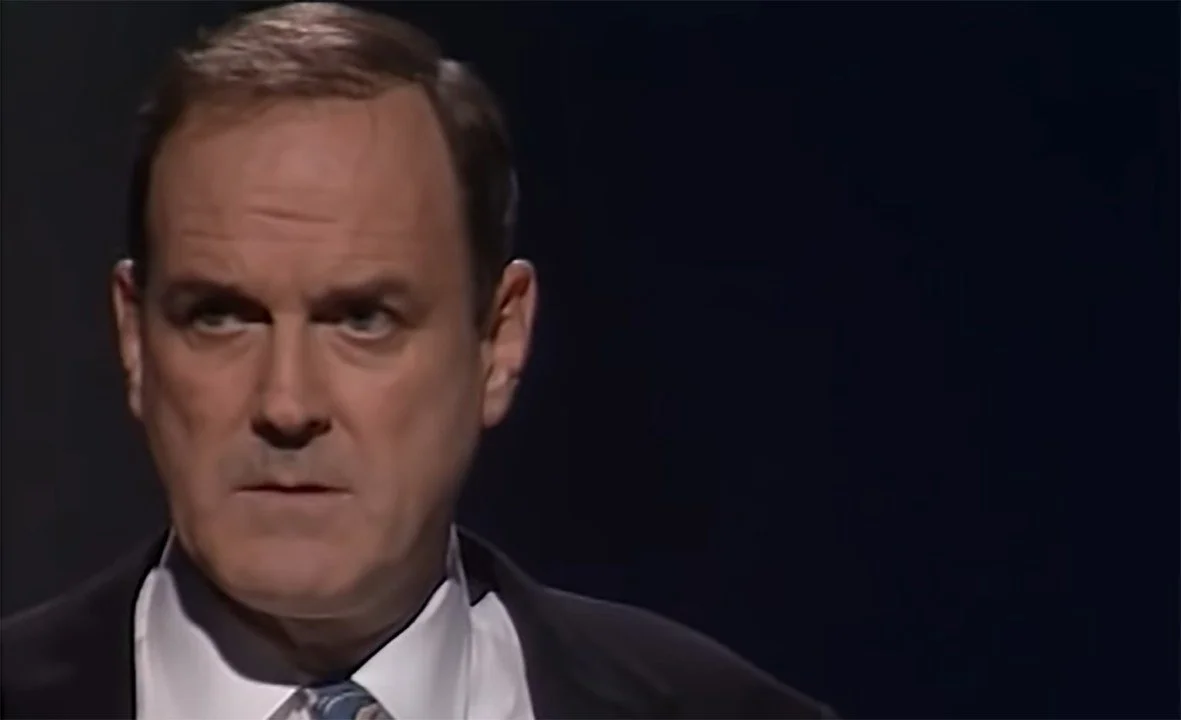
Then, one day, I came across John Cleese’s talk on creativity on YouTube. Given that I was currently avoiding writing my novel, watching a 30-minute video seemed like nothing more than another procrastination tool.
But it ended up changing my writing life.
In his talk, Cleese described the exact problem I’d been facing, in such detail that I felt as if he’d been spying on my life.
When we sit down to create, he said, we’re almost immediately besieged by thoughts of other things we could be doing. Say, checking email. Or sorting through the junk drawer. Or vacuuming the living room.
But John says that this sudden mania for vacuuming or any other non-writing activity, is textbook.
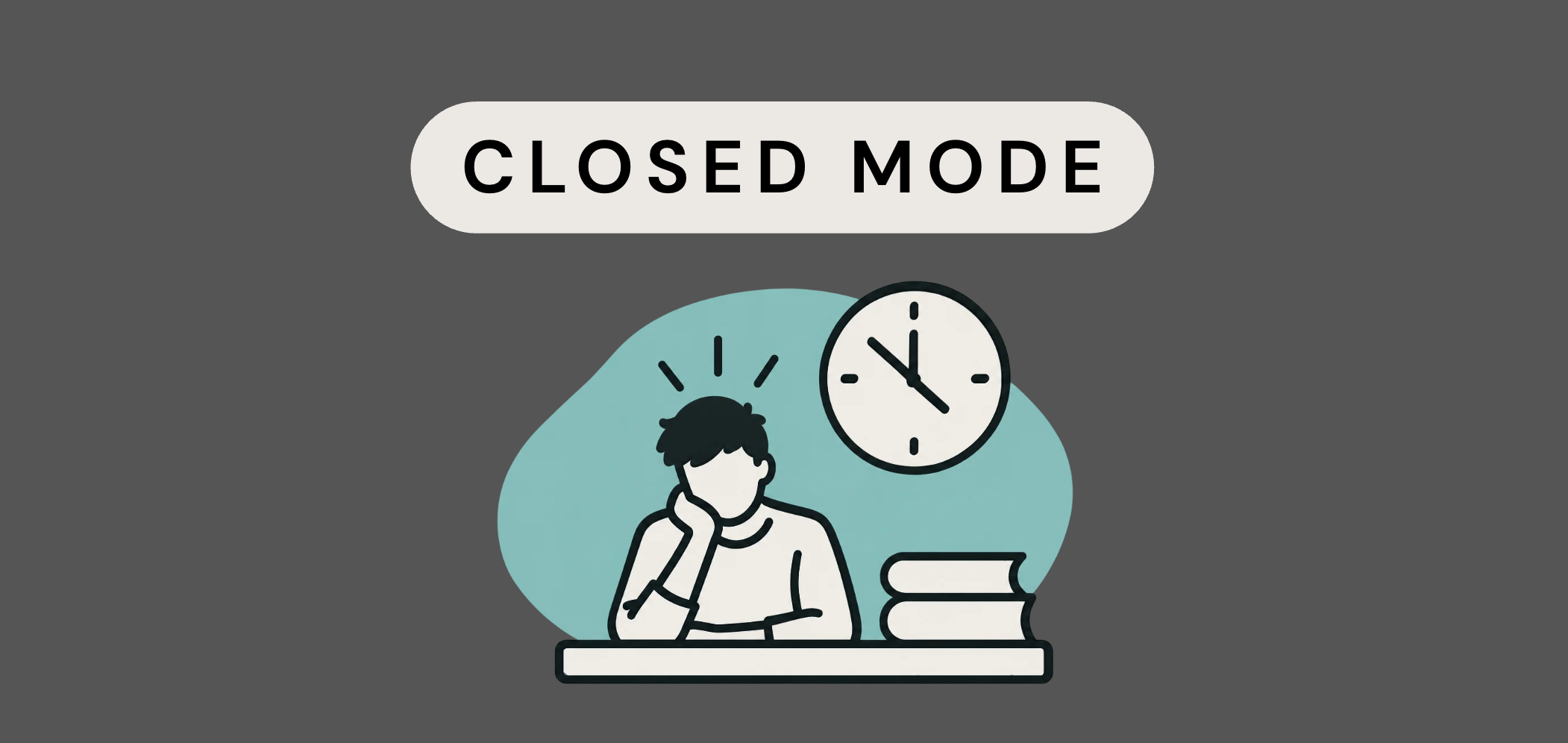
Our brains gravitate toward these activities because they’re stuck in something called closed mode.
Closed mode is a slightly busy, slightly anxious state of mind, where we’re thinking about how fast and how well we’re doing things. This is the mode we spend most of our days in.
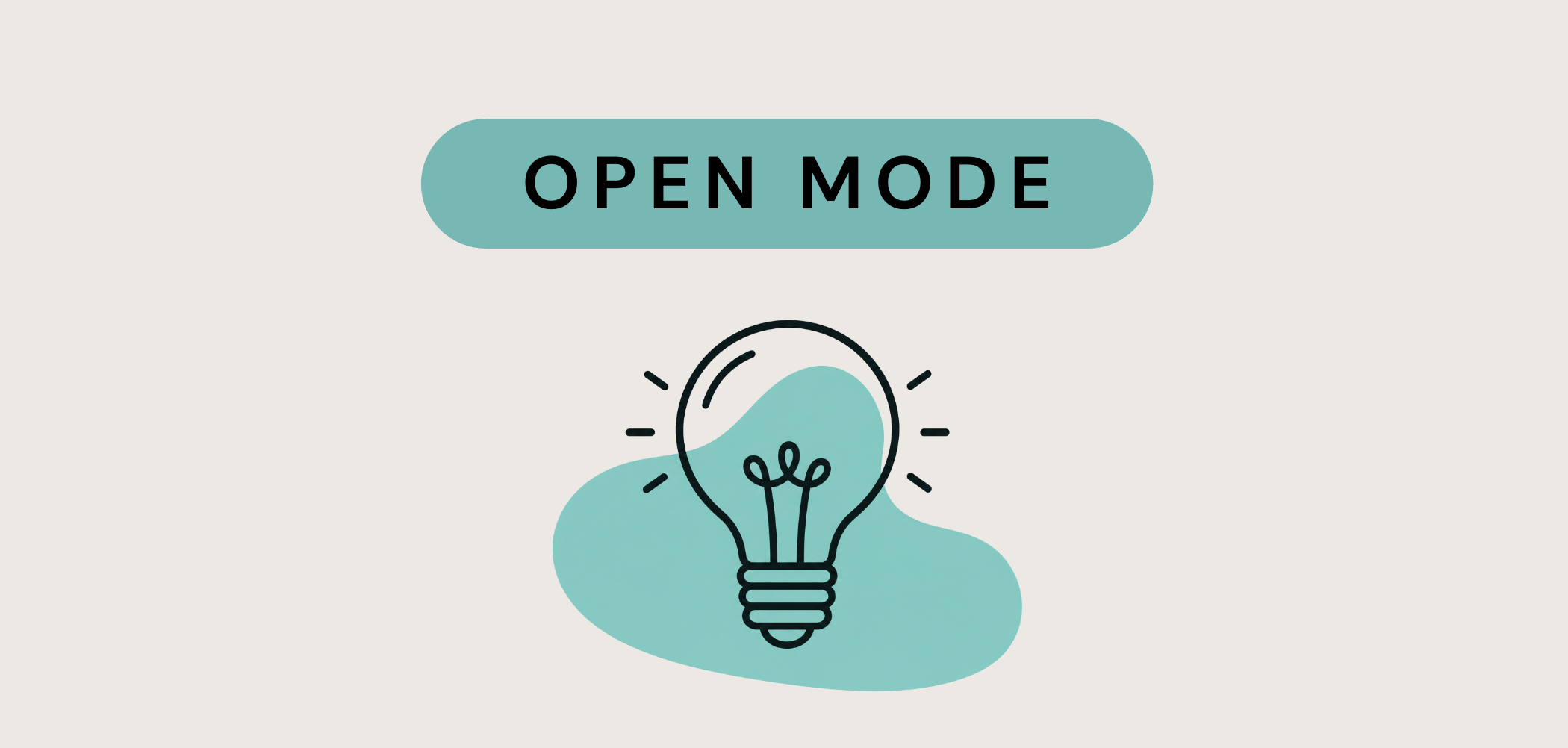
However, creativity requires a whole different brain state, which is called open mode. Open mode is a daydreamy, experimental, playful state of mind where we’re not concerned about outcomes or appearances.
And here’s the thing: it takes the brain about 20-30 minutes to move out of closed mode into open mode.
When I learned this, I suddenly realized why my writing sessions had been so painful and unproductive in those first 15 minutes. I hadn’t allowed myself to transition. I hadn’t even realized a transition was supposed to be taking place.
The first 20-30 minutes of writing time weren’t supposed to be about writing at all. They were supposed to be about relaxing and daydreaming, changing my brain state from its usual anxious buzz into something quite different.
When I started making time to transition into open mode, I suddenly found myself accessing that mysterious state of flow that had been so out of reach to me for so long.
Want to learn more about how to access open mode?
I believe this concept is so important, and needs to be learned by so many writers, that I created a snazzy free resource for you: the Starting to Write Guide.
Please enjoy, and feel free to share with any other writers you know who are currently stuck in a painful state of writing block!
-Jaime
Want to learn more helpful coaching strategies? Subscribe to my Substack, The Fresh Ink Writer’s Studio.